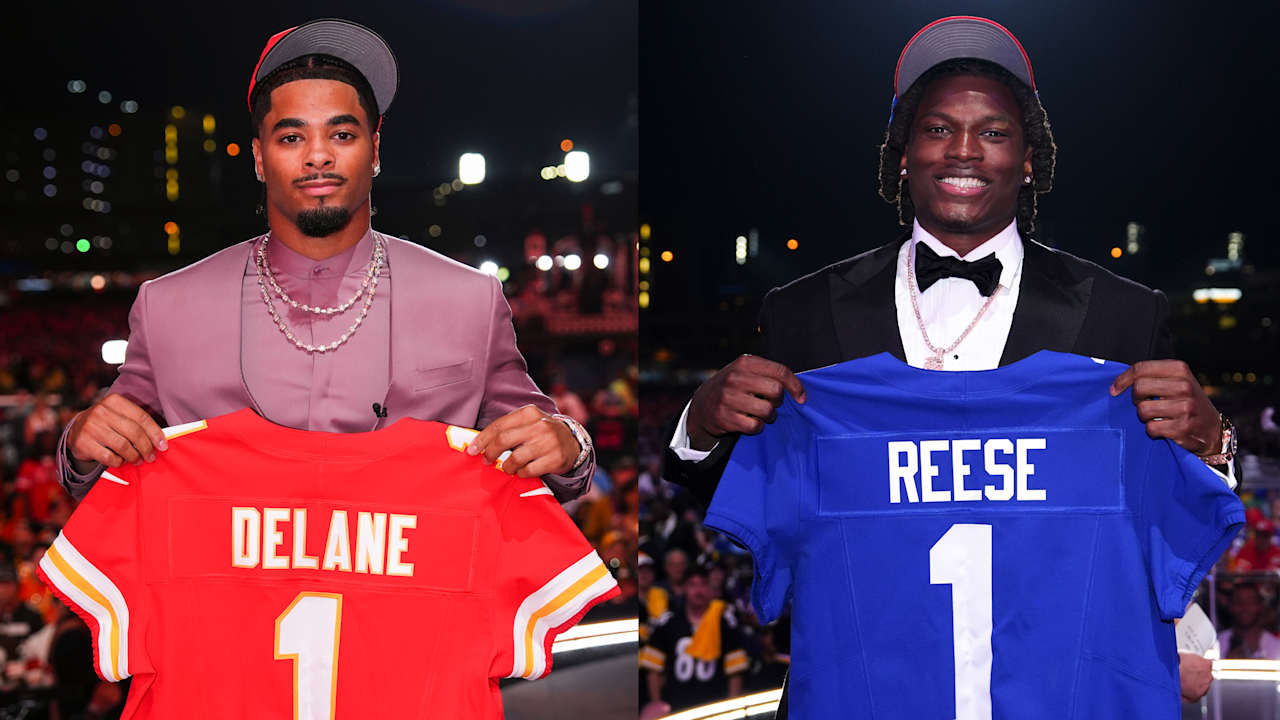
The 2026 NFL Draft has redrawn the competitive landscape, and no team has capitalized more visibly than the Kansas City Chiefs. Once seen as a veteran-laden roster teetering on the edge of decline, Kansas City now sits atop early-season power rankings thanks to a draft class that blended immediate impact with long-term vision. Meanwhile, the San Francisco 49ers—despite another playoff-caliber roster—face growing skepticism over their persistent tendency to reach for prospects, raising red flags about sustainability and roster balance.
The contrast couldn’t be starker: one franchise executing with surgical precision, the other gambling on upside at the expense of value.
Chiefs’ Draft Class: Precision Over Hype
The Chiefs entered the 2026 Draft with cap space, clarity, and a front office unafraid to pivot. After trading down from the first round’s edge, they netted an extra second-rounder—already a win in modern draft economics. Their selections followed a strict philosophy: best player available, but only if they filled a pressing need.
Their first pick, LSU edge rusher Malik Teague (No. 21 overall via trade down), has already drawn comparisons to a young Frank Clark. At 6’4”, 258 pounds, with sub-4.6 speed and elite bend off the edge, Teague fills the void left by an aging George Karlaftis. Early OTA reports highlight his snap recognition and third-down utility—exactly what Kansas City’s defense lacked in last year’s late-game collapses.
In Round 2, they selected Iowa tight end CJ Herring, a 6’5”, 250-pound movement weapon who thrived in tight end-friendly offensive schemes. With Travis Kelce’s retirement looming, Herring isn’t a direct replacement—but he’s a modern hybrid: capable of blocking in-line, stretching seams, and lining up in the slot. Andy Reid’s offense just got more dangerous.
But the real coup was in Round 4: Appalachian State cornerback Darius Mallory. A small-school standout with 4.38 speed and 19 career interceptions, Mallory fell due to combine injuries. The Chiefs bet on recovery—and early minicamp footage shows a player already locking down WR1 reps. That’s value.
Draft ROI: Chiefs vs. Previous Years
| Year | Key Pick | Career Approx. AV* | Immediate Impact? |
|---|---|---|---|
| 2023 | Mecole Hardman Jr. | 18 | Moderate |
| 2024 | Rashee Rice | 24 | High |
| 2025 | De’Von Achane (trade) | 19 | High (special teams) |
| 2026 | Malik Teague | projected 20+ | Yes |
*Approximate Value (AV) via Pro Football Reference methodology
The 2026 class is already on a steeper trajectory than recent years—not because of star billing, but because it addressed real weaknesses without ignoring long-term succession planning.
49ers’ Draft Habits: Pattern of Reaching
While the Chiefs maximized draft capital, the 49ers doubled down on their controversial strategy: reaching for high-upside players, often at the cost of positional value and board discipline.
Their first pick, Oregon quarterback Jaylen Carter (No. 12 overall), wasn’t a reach in terms of talent—Carter has arm strength, mobility, and experience in complex systems. But selecting a QB that high, when Brock Purdy is still under contract and productive, raised eyebrows. Worse, San Francisco bypassed elite defensive tackles and corners still on the board—needs they’ve struggled with for years.
Then came Round 3: South Carolina safety Bryson Knox at No. 78. Widely graded as a fifth-rounder, Knox brings athleticism (4.41 40, 41” vertical) but lacks experience in coverage schemes. In a year stacked with high-floor defensive backs, the 49ers opted for upside over readiness.
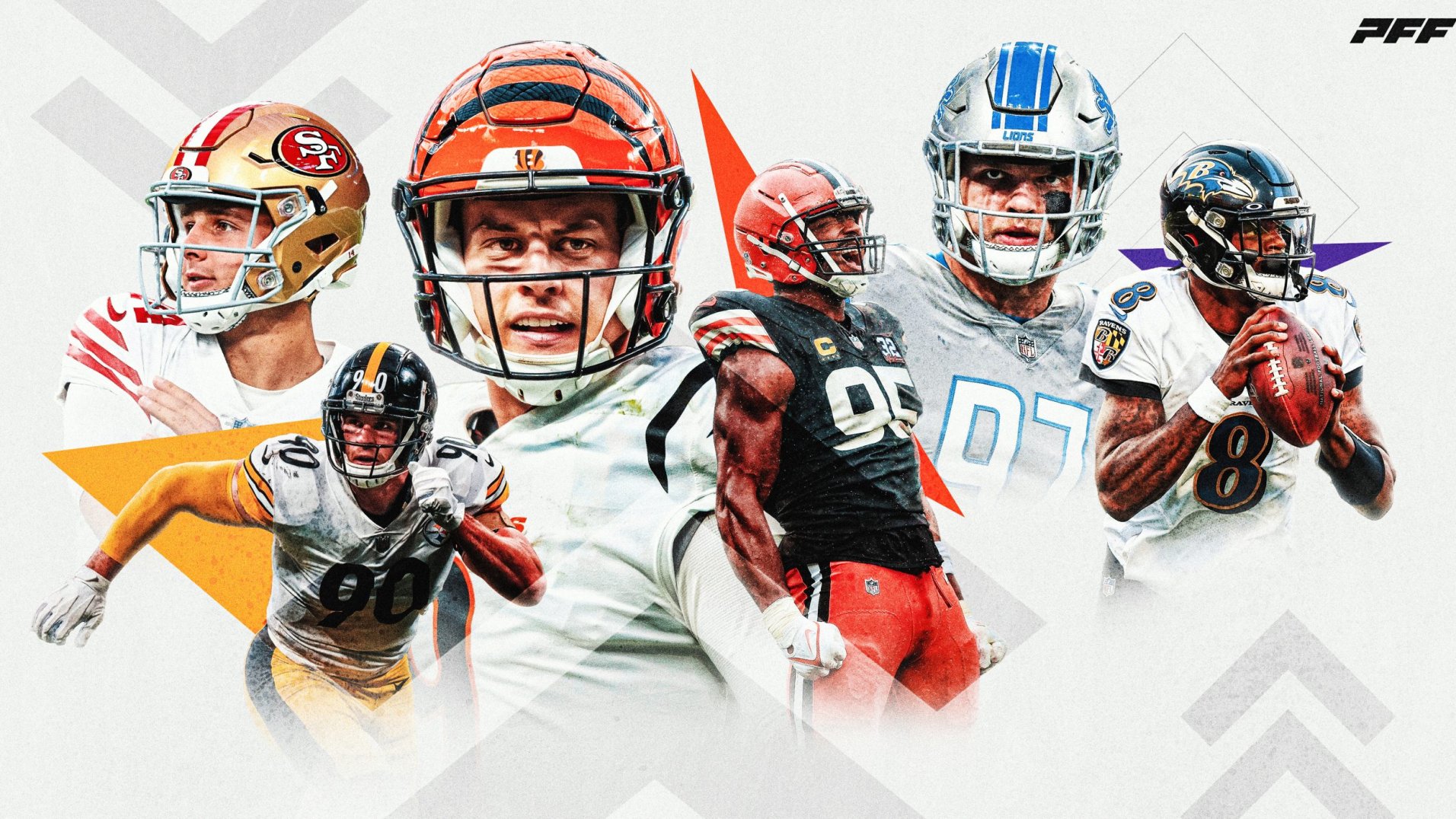
This isn’t new behavior. Since 2020, San Francisco has selected a player 40+ spots above consensus big board rankings in six of eight drafts. Their 2023 first-rounder, edge rusher J.J. Peterson, was picked at No. 18 despite a PFF grade of 72.3 and just 3.5 sacks in his final college season. He’s now a rotational piece at best.
49ers’ Reach History (2020–2026)
- 2020: WR Brandon Aiyuk (No. 11, projected 2nd)
- 2021: LB Dre Greenlaw (UDFA, but overvalued long-term)
- 2022: OT Charles Cross (No. 25, projected 2nd)
- 2023: DE J.J. Peterson (No. 18, projected 3rd/4th)
- 2025: CB Marcus Epps Jr. (No. 62, projected 5th)
- 2026: QB Jaylen Carter (No. 12, projected 2nd)
The pattern suggests a front office more enamored with “traits” and “ceiling” than fit, cost, or replacement value. In a salary-cap league, reaching has ripple effects: less cap flexibility, fewer roster spots for depth, and higher pressure on rookies to start immediately.
Why Reaching Hurts Even Successful Teams
The 49ers remain one of the NFL’s most complete teams. Kyle Shanahan’s scheme, a top-tier offensive line, and a healthy Brock Purdy mean they’ll contend in 2026. But their draft habits are eroding long-term stability.
Consider: - Depth erosion: By using early picks on non-urgent positions, San Francisco lacks quality backups at safety and nickel corner. - Injury risk: When Purdy missed three games in 2025, the backup QB situation was a liability. Spending a top-15 pick on a developmental QB now looks like panic, not foresight. - Trade capital decline: Reaching means fewer mid-round picks. Over five years, the 49ers have zero third-rounders in 2027 and 2028 due to previous trades and high picks.
Contrast that with the Chiefs, who’ve traded down four times since 2023, accumulating extra second- and third-round picks. Kansas City isn’t just drafting well—they’re building a war chest for the post-Mahomes era.
Chiefs’ Roster Balance: Built to Last
Kansas City’s rise isn’t just about the 2026 draft—it’s about how the new pieces integrate into a sustainable model.
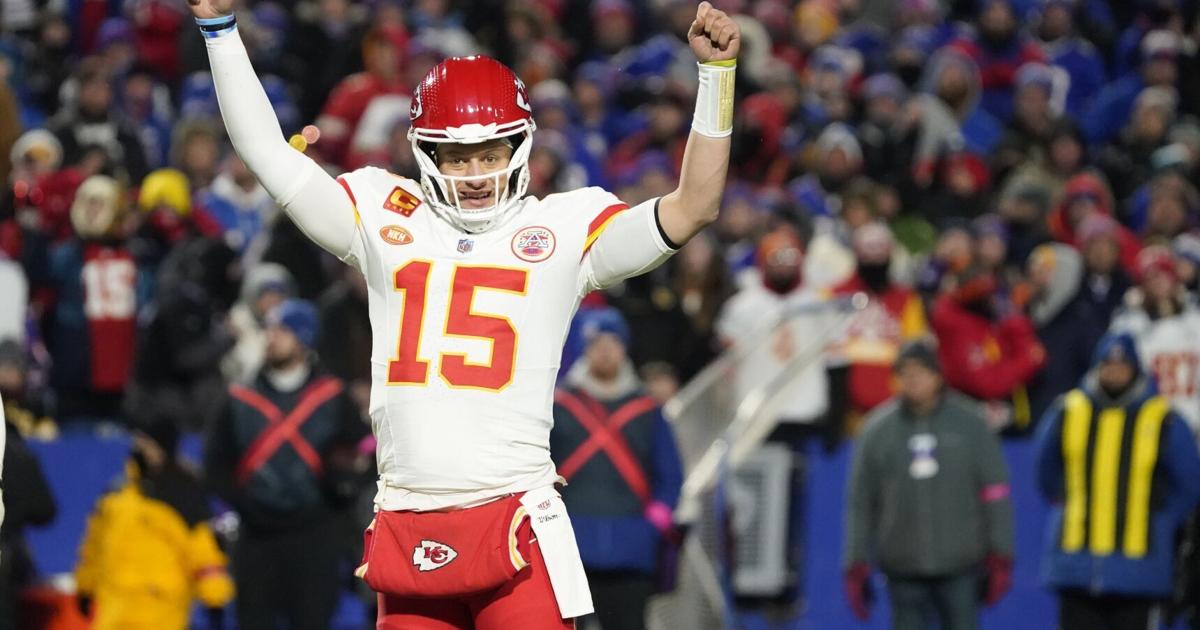
Patrick Mahomes, still elite at 30, is surrounded by offensive firepower: Rashee Rice, DeAndre Hopkins (acquired mid-2025), and emerging tight end Justin Watson. On defense, the 2026 draft injected youth at all three levels: Teague on the edge, Herring as a TE/TE hybrid, and Mallory to compete for starting corner.
More importantly, their cap situation is healthier than expected. A series of restructured deals and low-cost rookie contracts leaves them with $38M in 2026 cap space—well above league average for a contender.
They’ve also protected against aging stars: - Karlaftis extended through 2028 (with team-friendly incentives) - L’Jarius Sneed flipped to safety, extending his viability - Creed Humphrey anchoring a young, athletic line
This isn’t a team relying on coaching magic to paper over flaws. It’s a roster built with succession planning, positional versatility, and financial discipline.
49ers’ Ceiling: High, But Fragile
San Francisco’s ceiling remains among the league’s highest. Their offensive line is still the gold standard. Christian McCaffrey, even at 29, averaged 4.8 YPC last season. Deebo Samuel and Brandon Aiyuk form one of the most explosive WR duos in football.
But their defense is a ticking clock. - Fred Warner is 29 and coming off an ankle injury. - The secondary is paper-thin behind Talanoa Hufanga. - Edge rotation lacks a true pass-rush identity.
By reaching for a QB and a developmental safety, they ignored these gaps. It’s not that Carter and Knox won’t contribute—it’s that they won’t fix what’s broken now.
Worse, the 49ers have a history of slow rookie integration. Only 2 of their last 7 first-rounders started as rookies. That means these 2026 picks won’t help in September, when the schedule features tough early matchups against Detroit, Buffalo, and Philadelphia.
Draft Philosophy: Value vs. Vision At the heart of this divergence is philosophy.
The Chiefs operate on value-based drafting: take the best player available who fits a need, stay flexible, and always keep an eye on the cap and future picks. Their draft room uses a tiered grading system that weights position scarcity, medicals, and scheme fit equally. No emotional picks. No “can’t-miss” hype.
The 49ers lean into vision-based drafting: they identify traits they prioritize (arm talent, speed, measurables), then draft for potential. Kyle Shanahan and John Lynch trust their coaching staff to develop raw athletes. It’s worked occasionally—Aiyuk was a reach, but a success. But it’s failed more often than not.
There’s no perfect model. The Ravens mix value and vision. The Dolphins swing big but balance with trades. But consistency matters. The Chiefs have stuck to their process—and it’s paying off. The 49ers keep wavering, chasing upside when stability should be the goal.
Power Rankings Shift: What’s Next?
Post-draft power rankings reflect this reality.
- Top 5 (Early 2026 Outlook):
- Kansas City Chiefs
- Buffalo Bills
- San Francisco 49ers
- Detroit Lions
- Baltimore Ravens
The Chiefs leapfrogged San Francisco not because of free agency or trades, but because of draft execution. They filled critical gaps while preserving flexibility. The 49ers, despite their talent, dropped due to roster imbalances and questionable draft decisions.
Looking ahead: - The Chiefs are favorites to win the AFC West and host a playoff seed. - The 49ers remain NFC contenders but face a narrow margin for error—if Purdy regresses or the defense cracks, their Super Bowl odds plummet.
Closing: Sustainable Success Beats Short-Term Bets
The 2026 NFL Draft didn’t create new contenders—it exposed who’s building to last. The Kansas City Chiefs are rising not because of one great pick, but because of disciplined process, smart trades, and a refusal to reach. They added impact players without mortgaging the future.
The 49ers, meanwhile, keep chasing the next breakout, ignoring the warning signs piling up. Reaching isn’t a strategy—it’s a habit, and one that’s beginning to cost them in the standings and the war room.
For teams aiming to dominate, not just compete, the lesson is clear: draft value is long-term capital. Spend it wisely.
FAQ Why are the Chiefs ranked above the 49ers after the draft? The Chiefs addressed pressing needs with high-value picks and improved roster depth without sacrificing future assets, while the 49ers reached on positions of lesser urgency.
Was Jaylen Carter a reach for the 49ers? Yes—most analysts had Carter as a second-round talent. Taking him at No. 12, with Brock Purdy healthy, ignored more urgent defensive needs.
How did the Chiefs benefit from trading down? They gained an extra second-round pick, avoided overpaying for talent, and still landed their targeted players later in the first round.
Is drafting for traits ever justified? Occasionally—but only if coaching staff can develop raw players quickly. The 49ers have mixed results in that area.
Can the 49ers still win the Super Bowl? Yes, but their roster is less flexible and deeper injury risks make their path harder than in previous years.
What positions did the Chiefs strengthen most in the 2026 draft? Edge rusher, tight end, and cornerback—all areas of concern entering the draft.
Are reach picks always bad? Not always. Some reaches become stars (e.g., Aiyuk), but consistently reaching reduces overall draft ROI and weakens roster balance.
FAQ
What should you look for in Chiefs Climb NFL Power Rankings After Draft Surge? Focus on relevance, practical value, and how well the solution matches real user intent.
Is Chiefs Climb NFL Power Rankings
After Draft Surge suitable for beginners? That depends on the workflow, but a clear step-by-step approach usually makes it easier to start.
How do you compare options around Chiefs Climb NFL Power Rankings After Draft Surge? Compare features, trust signals, limitations, pricing, and ease of implementation.
What mistakes should you avoid? Avoid generic choices, weak validation, and decisions based only on marketing claims.
What is the next best step? Shortlist the most relevant options, validate them quickly, and refine from real-world results.