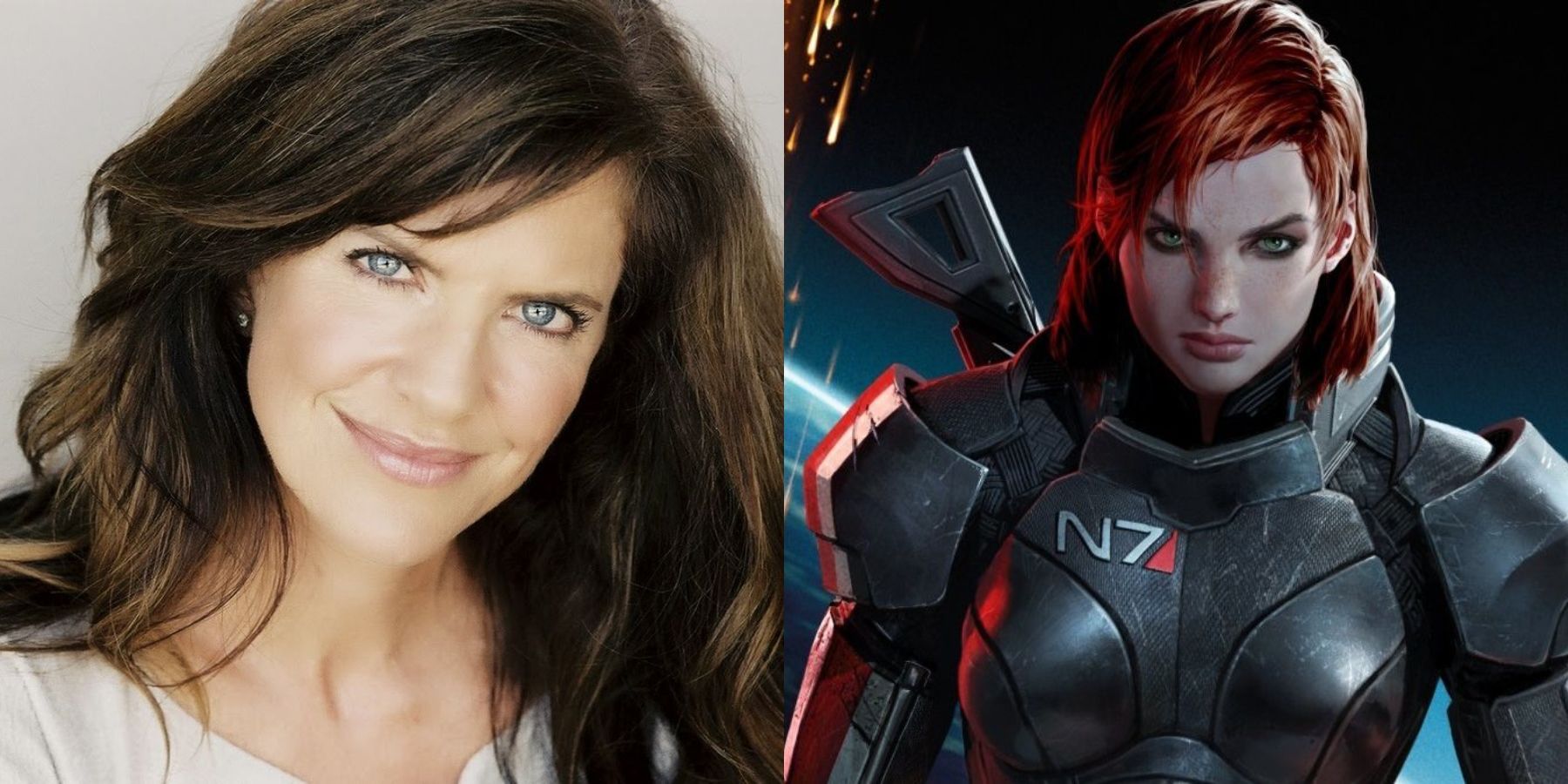
The return of a polarizing Mass Effect character has reignited debate among fans — and now, the actor behind the role has spoken. No longer staying silent amid years of online criticism, they’ve addressed the backlash, creative decisions, and what it means to reemerge in a franchise where emotional investment runs deep. This isn’t just about in-game choices; it’s about performance, legacy, and the evolving relationship between players and the characters they love to hate.
For years, fans have clashed over this character’s narrative arc — their actions, motivations, and ultimate fate sparking heated forums, YouTube essays, and Reddit threads. With rumors swirling about their reappearance in upcoming Mass Effect content, the actor’s commentary offers a rare glimpse into the human side of a digital figure often reduced to memes and rage posts.
Why This Character Divided the Mass Effect Fandom
It wasn’t just the character’s decisions that sparked controversy — it was how those choices disrupted player agency, challenged moral frameworks, and defied expectations in a series built on consequence. Whether it was a betrayal during a critical mission, a refusal to align with the player’s Paragon or Renegade path, or a philosophical stance that felt out of step with galactic stakes, the backlash was immediate and enduring.
Fans invested 30, 50, even 100 hours shaping Commander Shepard’s journey. When this character undermined that investment — particularly in the original trilogy’s final hours — the response was visceral. Some called it narrative courage. Others labeled it an artistic misstep.
The actor, speaking in a recent interview with Gaming Horizons, didn’t shy away from acknowledging the division: > “I knew we were walking into dangerous territory. This wasn’t a safe character. They weren’t designed to be liked. They were designed to make you question — not just the war, but the cost of winning it. That’s never going to sit well with everyone.”
That tension — between storytelling ambition and player satisfaction — lies at the heart of the Mass Effect legacy. And it explains why the prospect of this character’s return still stirs such strong feelings.
The Actor’s Response to Fan Backlash For years, the actor remained publicly silent. No social media defenses, no convention panel rebuttals. But with renewed speculation about the character’s inclusion in future installments — possibly Mass Effect 4 or a narrative expansion — they’ve opened up.
Their tone isn’t defensive. It’s reflective. > “I read the forums. I’ve seen the ‘Worst Character Ever’ lists. I get it. But I also know what we were trying to do — and why it mattered. We weren’t making a hero. We were making a mirror.”
This framing is key. The actor sees the character not as a villain or a plot device, but as a narrative provocateur — someone meant to unsettle, challenge, and force moral ambiguity in a universe often painted in shades of blue (Paragon) and red (Renegade).
They also addressed claims of poor writing: > “If the character felt inconsistent, that was intentional. They were under pressure, ideological strain, the weight of extinction. People don’t act ‘clean’ in those moments. They fracture. They lie. They double down. That’s realism — not bad writing.”
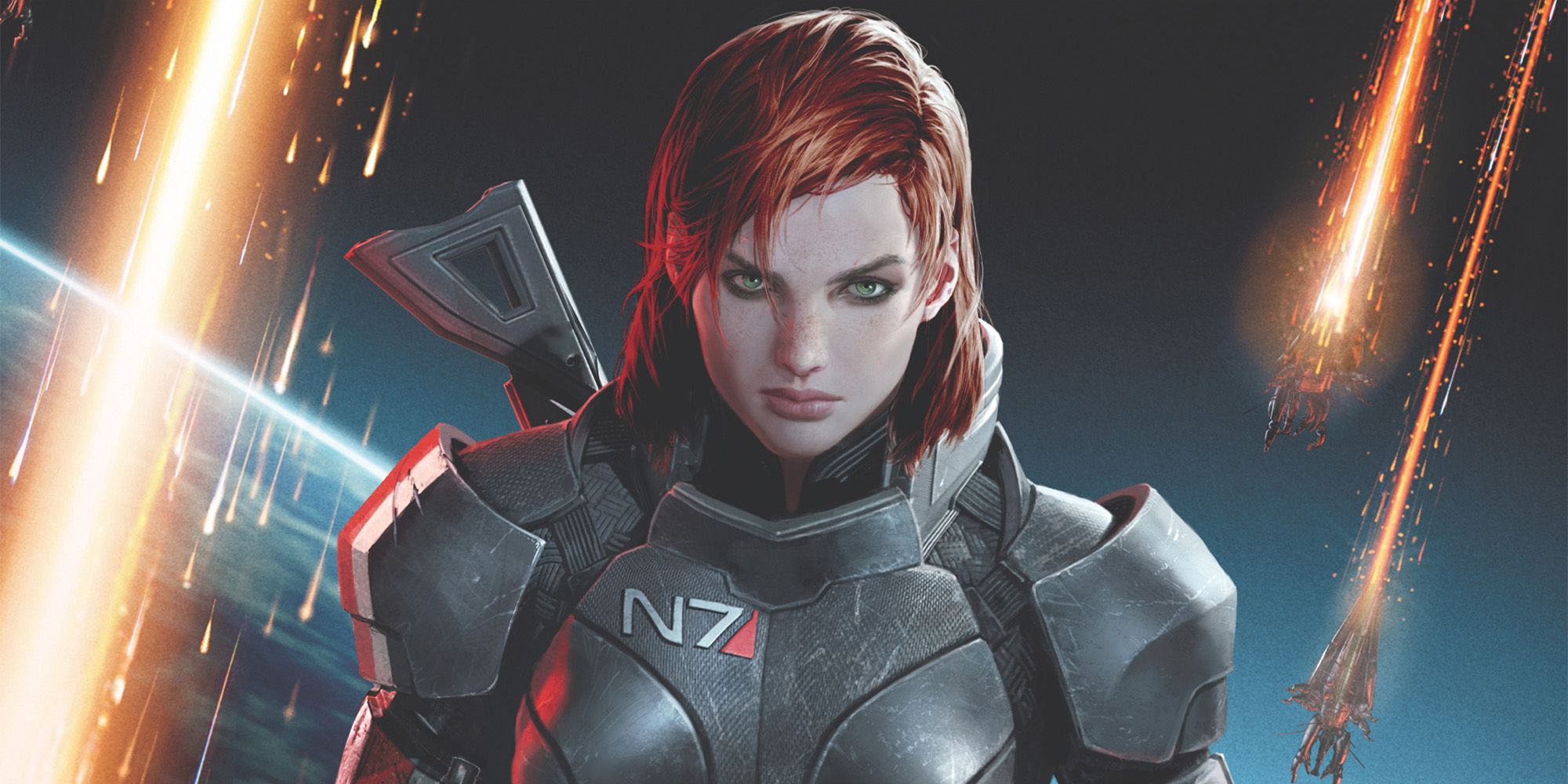
It’s a defense rooted in character psychology rather than fan service — a stance that may not appease critics but clarifies the creative intent behind one of the franchise’s most debated figures.
What ‘Return’ Means in the Mass Effect Universe
“Return” is a loaded term in Mass Effect. Characters come back from the dead, reconstructed by tech or sheer will. But resurrection isn’t the same as redemption.
The actor confirmed they’ve been approached for “new dialogue sessions” but stopped short of confirming a full revival: > “Let’s just say the door isn’t closed. And if they do bring them back, it won’t be for nostalgia. It’ll be because their perspective still matters.”
That’s significant. It suggests a narrative purpose — not a fan-service cameo. In a franchise where even minor crewmates get closure, this character’s reappearance would carry weight.
Possible scenarios include: - A holographic intelligence preserved in Reaper or Cerberus archives - A surviving clone or synthetic copy - A post-mortem appearance through AI reconstruction (similar to Glyph or EDI’s consciousness)
But none of these would work without addressing why the character still matters. The actor emphasized that any return must deepen the story, not undo past choices: > “You can’t just say ‘Oh, it was all a misunderstanding.’ That disrespects the players who lived through that moment. If they come back, it has to be with consequences — theirs, and ours.”
Behind the Scenes: Performance and Creative Tension
Few realize how collaborative Mass Effect’s voice acting process was. Writers, directors, and actors shaped characters in real time — often improvising lines, adjusting motivations, and responding to early fan reactions.
The actor revealed that their character’s final speech — the one that triggered so much backlash — was rewritten three times based on internal debate at BioWare: > “First version was softer. Second was more defiant. The third — the one in the game — was the most uncomfortable. That’s why we kept it. It wasn’t supposed to feel good.”
This insight flips the script on accusations of “lazy writing.” Instead, it suggests deliberate discomfort — a narrative landmine placed with full awareness of its impact.
There was also tension on set. The actor described a moment when another cast member confronted them after recording a pivotal scene: > “They were mad. Not at me — at the character. But it showed how deeply people were feeling these roles. That’s rare. That’s powerful.”
When performances blur the line between actor and avatar, controversy becomes inevitable.
How Player Agency Shapes Character Legacies
Mass Effect’s defining feature is choice. But when a character actively resists those choices — especially in the endgame — it creates cognitive dissonance.
The actor pointed to this as a core reason for the backlash: > “Players spend the whole trilogy believing their decisions matter. Then, in the final act, someone says, ‘Actually, maybe they don’t.’ That’s a betrayal of expectation — not of trust.”
This speaks to a larger issue in interactive storytelling: can a narrative maintain integrity while honoring player agency? The character’s role was to test that balance.

And yet, revisiting the original trilogy today, some fans are reevaluating. With distance from the initial release, there’s growing appreciation for the character’s thematic role — particularly in discussions about authoritarianism, sacrifice, and the illusion of control.
As one Reddit user recently wrote: > “I hated them in 2012. Now? I think they were the only one telling the truth.”
What a Return Could Mean for Mass Effect’s Future
If the character returns, it won’t just reignite old arguments — it could redefine the series’ philosophical direction.
The actor hinted at a potential arc focused on accountability: > “What happens to the people who made the ‘wrong’ call when the war is over? Do they get forgiven? Do they want to be? That’s uncharted territory for Mass Effect.”
This opens doors for a mature, post-conflict narrative — one where victory doesn’t erase moral debt.
It also aligns with rumored themes for future Mass Effect games: reconstruction, memory, and the cost of survival. In that context, the character isn’t an outlier. They’re a catalyst.
But the actor issued one warning: > “If they bring them back just to kill them again — or to apologize — it’s a waste. Their power was never in their fate. It was in the questions they left behind.”
Closing: The Human Side of a Digital Controversy
Behind every pixelated face is a performer who lived with that character — through scripts, sessions, and years of silence. The actor’s commentary doesn’t erase fan grievances, nor should it. But it adds depth to a debate often reduced to soundbites.
Controversial characters aren’t failures. They’re evidence of risk. And in a franchise as ambitious as Mass Effect, that risk is necessary.
As development on new installments continues, one thing is clear: the discussion isn’t just about whether this character should return. It’s about what we, as players, are willing to confront when they do.
For fans, the path forward isn’t about consensus. It’s about engagement — with the story, the creators, and the uncomfortable truths that make Mass Effect more than just a space opera.
If the character comes back, listen. Not to agree — but to understand.
FAQ
Why did the Mass Effect character receive so much backlash? The character made decisions that contradicted player choices, especially in the endgame, leading to feelings of betrayal and narrative frustration.
Has the actor played the Mass Effect games? Yes, the actor has completed the trilogy and acknowledges how the character’s actions impact player experience.
Is the character confirmed to return in a future game? Not officially, but the actor confirmed involvement in recent dialogue sessions, suggesting potential inclusion.
Did BioWare anticipate the negative reaction? Internal documents and the actor’s comments suggest debate existed, but the discomfort was seen as intentional for storytelling impact.
Can a controversial character be well-written? Yes — controversy doesn’t equal poor writing. Characters designed to challenge players can be narratively effective, even if unpopular.
How do voice actors influence character development in Mass Effect? Actors often collaborate on lines, tone, and motivation, with some scenes rewritten based on performance and chemistry.
What’s the best way to appreciate this character now? View them through a thematic lens — as a critique of absolutism, control, and the cost of war — rather than a traditional ally or villain.
FAQ
What should you look for in Mass Effect Actor Reacts to Controversial Character’s Return? Focus on relevance, practical value, and how well the solution matches real user intent.
Is Mass Effect Actor Reacts to Controversial Character’s Return suitable for beginners? That depends on the workflow, but a clear step-by-step approach usually makes it easier to start.
How do you compare options around Mass Effect Actor Reacts to Controversial Character’s Return? Compare features, trust signals, limitations, pricing, and ease of implementation.
What mistakes should you avoid? Avoid generic choices, weak validation, and decisions based only on marketing claims.
What is the next best step? Shortlist the most relevant options, validate them quickly, and refine from real-world results.